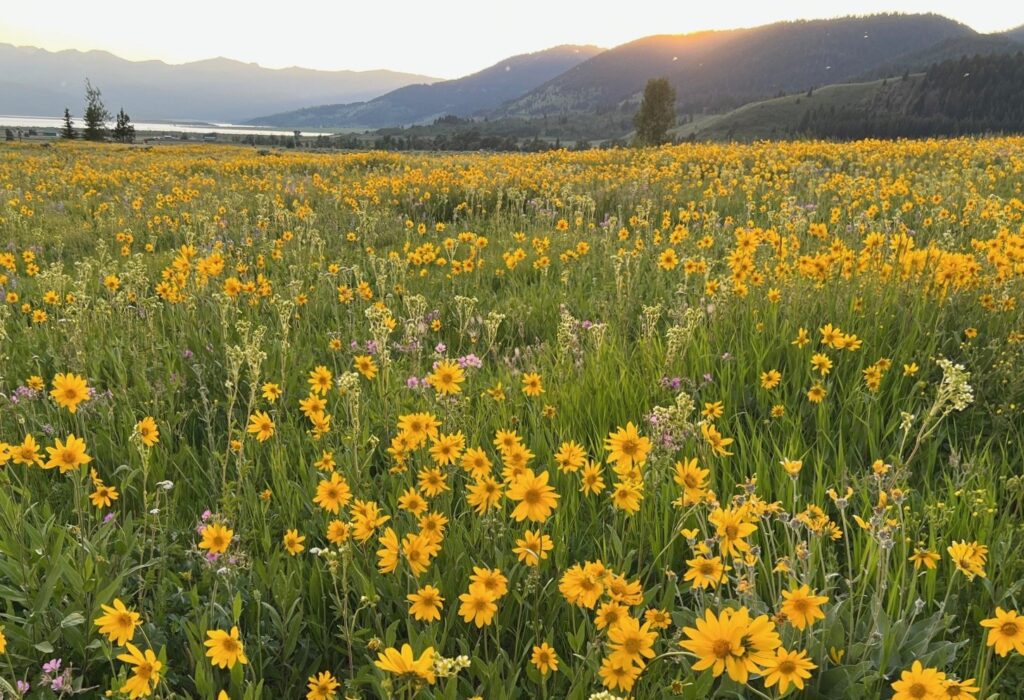
Purchasing property in the Northern area of the Intermountain West is exciting, challenging, and requires much consideration. The landscape and environment varies greatly from the upper Great Basin to the high country of the Northern Rockies. This area includes parts of Oregon, Washington, Utah, Idaho, Wyoming, and Montana. Requirements are immensely different from the coastal communities of the US east or west.
A few tips and things to consider; Northern Intermountain West properties are unique and have dozens of restrictions, challenges, highly variable climate, obstacles, and logistics to consider. From the blue-sky perspective when thinking about a property, I often start with extremely basic questions such as land use, climate, and geographical remoteness.
Each property has governmental restrictions in place whether it is state, regional, local, and/or specific community (HOA) covenants. Global land use planning is government’s systematic process of regulating how land resources are managed and developed. It directs where residential, commercial, industrial, and recreational spaces go; often aiming to balance economic growth with environmental protection and community needs.
Outlined below is a super high-level overview of things that can impact an owner’s planning, building process and use, including the following.
Planning, Processes, Approvals and Restrictions
- Comprehensive Plans
Outlining a long-range vision for community growth encompasses important objectives such as preservation of open space, transportation needs, and community density.
- Zoning Ordinances
Regulations that divide a municipality into specific zones (residential, commercial, etc.) dictate what types of buildings and the number of structures that can be constructed.
- Building, Subdivision and Specific Plan Regulations
Regulations specify exactly how lots are divided, road widths, utilities, easements, zoning, height restrictions, and project footprints. Other building requirements for construction and operation in hazard-prone areas may include floodplains or wildfire zones.
CC&Rs, HOA and Easements
- CC&Rs
Covenants, Conditions, and Restrictions (CC&Rs), Homeowners Association (HOA), easements, and conservation easements are typically considered in private land use controls.
- Homeowner Association (HOA)
An HOA is a private organization that manages a subdivision and enforces its’ CC&Rs. They have oversight of the following.
- Development and Design Approval
- Development and Design Approval
Most HOAs require an internal architectural review for properties within their authority. This review process is separate from the public governmental approval process.
Most HOAs require an internal architectural review for properties within their authority. This review process is separate from the public governmental approval process.
- Operations within the HOA
- Operations within the HOA
The HOA establishes operational controls that typically include access, security, maintenance, snow clearing, and parking, etc.
The HOA establishes operational controls that typically include access, security, maintenance, snow clearing, parking, etc.
- Easements
- Access, Road, Utility and Aerial Easements
- Access, Road, Utility and Aerial Easements
These types of easements are often tied to the property for the benefit of adjacent properties, utility companies, or public access.
These types of easements are often tied to the property for the benefit of adjacent properties, utility companies, or public access.
- Conservation Easement
- Conservation Easement
A conservation easement is a voluntary, legally binding agreement that permanently limits development on a property to protect its’ environmental, agricultural, cultural, scenic, and/or historic value. Financial and property tax implications are common concerns with conversation easements.
A conservation easement is a voluntary, legally binding agreement that permanently limits development on a property to protect its’ environmental, agricultural, cultural, scenic, and/or historic value. Financial and property tax implications are common concerns with conversation easements.
Climate
Each area in the Northern Intermountain West has its’ own unique climate and environment. In Northern Utah for example, the climate varies within just a few thousand feet of elevation change. In Salt Lake City the elevation is between 4,000 and 5,000 feet with scrubby sage and agricultural fields. Thirty miles to the East, Park City sits at 7,000 feet with ski areas rising to above 9,000 feet in elevation. While Salt Lake City is highly urban and set in a dry and hot climate, Park City originated as a 19th century mining town in a treed sub-alpine area. It is significantly colder and snowier than Salt Lake City. Planning for a legacy project in Park City is vastly different than properties at lower elevations. Altitude and weather are serious project drivers. Snow accumulation in the Salt Lake basin is minimal, but Park City can have 125 inches of snow annually. A property in the upper areas near the ski resorts can receive over 250 inches of snow just a short distance away! Property selection is critically important to planning, maintaining, operating, and enjoying legacy properties.
Geographical Distance
Distances can be great in the Northern Intermountain West. Conveniences and basics found in the urban and suburban western cities are often absent or hard to get to in rural areas of the northern Intermountain West. Two critical issues to consider are the distances to airport, and high-quality health care and hospitals.
- Airport Access
- After spending a career traveling for business, having an easily accessible airport is critical for legacy property owners including myself. What is your tolerance for access – 30 minutes, 60 minutes, 90 minutes? These distances may be manageable in Summer, but Winter conditions can drastically extend these times.
- After spending a career traveling for business, having an easily accessible airport is critical for legacy property owners including myself. What is your tolerance for access – 30 minutes, 60 minutes, 90 minutes? These distances may be manageable in Summer, but Winter conditions can drastically extend these times.
- Emergency, Medical, and Hospital Access
- This topic requires careful consideration. A property in ski country may have excellent medical and emergency services readily available, but what about a property in rural Wyoming or Montana where help could be more than an hour or more away?
- This topic requires careful consideration. A property in ski country may have excellent medical and emergency services readily available, but what about a property in rural Wyoming or Montana where help could be more than an hour or more away?
There are dozens of things to bear in mind when considering Northern Intermountain West properties. A good place to start is what I refer to as the big three. Can I use the property the way I want too? What impact does climate have on your property and operational needs? How do I get to and from the property and what happens if me, my family, or guests experience an emergency and need care? I can help you navigate these issues and more in your search and development of a legacy Northern Intermountain legacy project. Let’s get started!